
Stargazing Near Palm Springs: Where to See the Desert Night Sky
/A clear desert night offers a different perspective on the Coachella Valley. Away from bright city lights, the sky can reveal stars, constellations, and, under the right conditions, the Milky Way. Stargazing is an easy way to add something different to a Southern California vacation, whether you want to explore a national park after dark or join a guided telescope session.
The best place to go depends on the experience you want. Some locations offer darker skies and a more remote setting, while others provide expert guidance without requiring a long drive. Here are some options for stargazing near Palm Springs, along with practical tips to help you plan your evening.
Where to Go Stargazing Near Palm Springs
Joshua Tree National Park
For darker skies and a classic desert stargazing experience, Joshua Tree National Park is one of the strongest options in the region. Its expansive desert landscape and distance from major urban centers create opportunities to see more of the night sky than you might from a well-lit resort area.
The National Park Service identifies several designated stargazing areas, including Quail Springs, Hidden Valley, Cap Rock, and Ryan Mountain. The Pinto Basin area is also known for its dark skies. Your experience will depend on the location, weather, moon phase, and surrounding light pollution.
Joshua Tree is a large park, so choose your destination before leaving rather than assuming every viewpoint is equally suitable. Review the National Park Service's stargazing guide for recommended viewing areas and planning advice. Bring water, warm layers, and a reliable way to navigate, since services and phone reception can be limited in remote areas.
Guided Stargazing Experiences Near Palm Springs
If you'd like help identifying stars, planets, and other celestial objects, a guided astronomy experience can be a great alternative to stargazing on your own. The Rancho Mirage Library & Observatory offers public astronomy programming and telescope experiences, while Sky Watcher Stargazing Tours provides guided outings for visitors who want a more hands-on introduction to the night sky. You can also explore programs at Sky’s The Limit Observatory & Nature Center. Offerings, locations, and schedules vary, so check each organization's current calendar and booking requirements before planning your evening.
Coachella Valley Vista Point
If you're looking for a scenic stop rather than a dedicated astronomy experience, Coachella Valley Vista Point along Highway 74 offers expansive views across the valley. It can be an appealing place to take in the surrounding landscape, although a scenic overlook is not necessarily a dark-sky destination.
Nearby roads, vehicle lights, and surrounding development can affect visibility, so don't expect the same conditions you'd find in a more remote area. Check access before visiting after dark, and only park in designated, safe areas.
When Is the Best Time to Go Stargazing?
The best night for stargazing depends on what you want to see and the conditions when you visit. A little planning can make a significant difference.
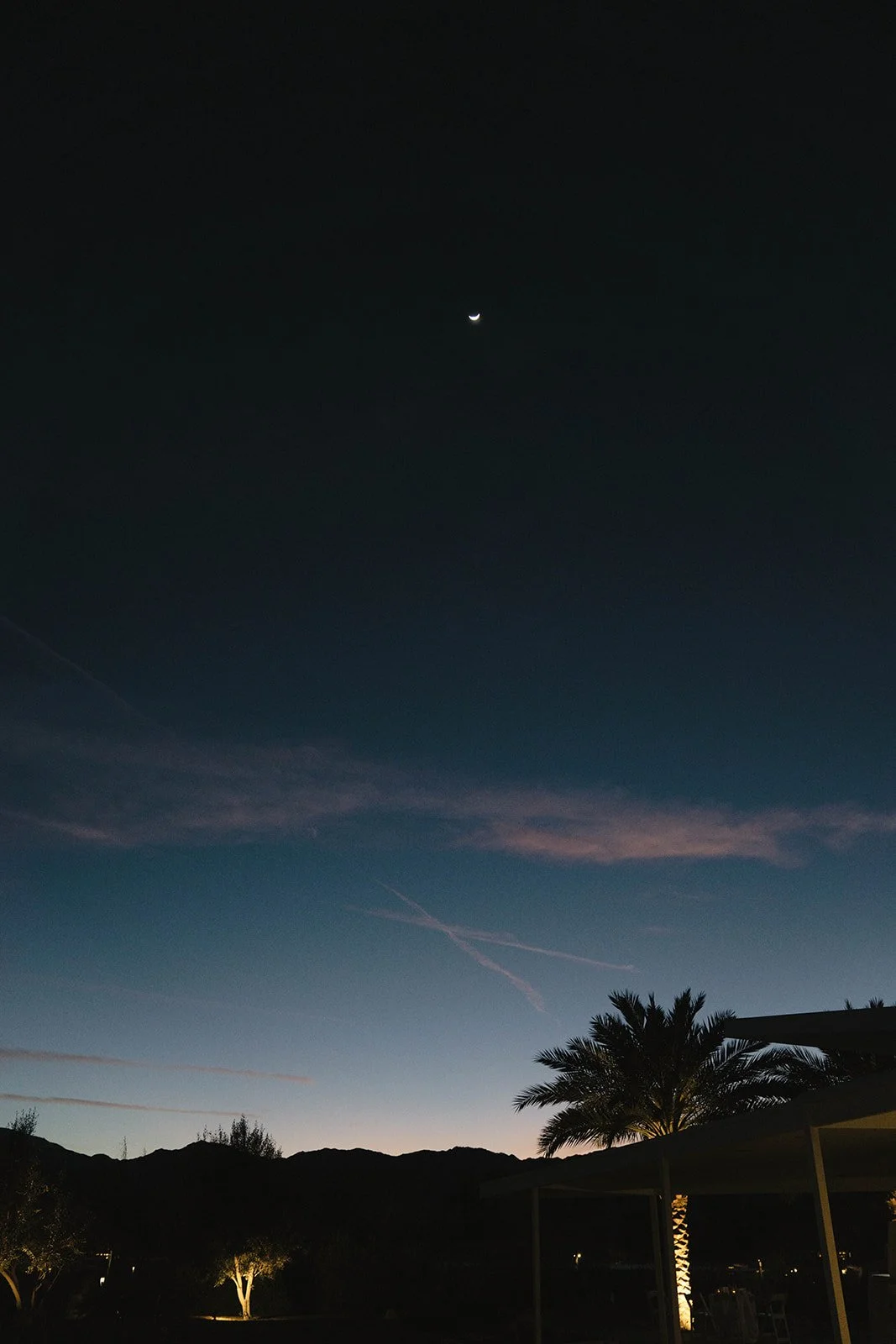
Moon phase: A new moon or the nights surrounding it generally provide darker skies, making faint stars and the Milky Way easier to see. A full moon can still make for a beautiful evening outdoors, but its brightness can obscure many fainter objects.
Time of year: Different constellations are visible throughout the year, and the Milky Way's most prominent viewing period is seasonal. May and June can be particularly good months for viewing the Milky Way in Joshua Tree, but visibility depends on the specific night and viewing conditions. Check a current sky calendar before choosing your travel dates.
Weather and visibility: Clear skies are essential. Clouds, haze, wind, and blowing dust can affect the view, so check the forecast before setting out.
Time of night: Give your eyes time to adjust to the darkness. Avoid bright phone screens and white flashlights, which can make it harder to see fainter stars.
What to Bring for a Night Under the Stars
Even in Southern California, desert evenings can get surprisingly cold, particularly during the cooler months. Packing a few essentials makes it easier to settle in and enjoy the sky.
Water and snacks: Bring what you'll need, especially if you're visiting a remote location with limited services.
Warm layers: Temperatures can drop considerably after sunset, even following a hot afternoon.
A folding chair or blanket: Check local rules and conditions before setting up.
A red-light flashlight or headlamp: Red light helps preserve your night vision while you move around.
Offline maps and a charged phone: Download directions ahead of time, since reception can be unreliable in remote areas.
Binoculars, if you have them: They're not necessary, but they can help reveal details that are difficult to see with the naked eye.
Stay in permitted viewing areas, watch your footing in the dark, and follow local rules. If you're visiting a remote location, let someone know your plans and account for the drive back before heading out.
Where to Stay for a Coachella Valley Getaway
Stargazing can be one part of a larger desert getaway, with daytime hours left open for golf, dining, exploring nearby towns, or relaxing by the pool. Staying in a private property gives your group room to spread out and a comfortable place to return to after an evening out.
Walker Land Co offers two distinctive private estates in Indio. Old Polo Estate is a spacious, multi-unit property with extensive outdoor amenities and room for larger groups. Desert White House combines mid-century modern architecture with private accommodations, mountain views, and resort-style outdoor spaces. Both provide a private home base for exploring the wider Coachella Valley.
Neither property should be treated as a designated dark-sky site, so plan to drive to a suitable viewing location if seeing the stars is a priority. To compare these and other properties, browse the Walker Land Co Southern California vacation rental collection.
Frequently Asked Questions
Where is the best place to stargaze near Palm Springs?
Joshua Tree National Park is a strong choice for darker skies, with designated stargazing areas throughout the park. For a guided experience closer to the valley's resort communities, check public astronomy programs at Rancho Mirage Library & Observatory.
Can you see the Milky Way near Palm Springs?
Yes, under suitable conditions. Your best chance is generally away from bright city lights on a clear night with little moonlight. Visibility varies by season, location, and weather, so check a current sky calendar before your visit.
What is the best month for stargazing in the Coachella Valley?
It depends on what you want to see. May and June can be favorable for viewing the Milky Way in Joshua Tree, while other times of year offer different constellations and celestial events. Moon phase and weather also matter.
Can you stargaze in Joshua Tree National Park at night?
Yes. Joshua Tree has designated stargazing areas and guidance for night-sky viewing. Check the park's official website before visiting, follow posted rules, and plan for limited services and phone reception in remote areas.
Do you need a telescope to go stargazing?
No. Many stars and constellations are visible to the naked eye, especially under dark skies. Binoculars can reveal additional detail, while a guided telescope session is a good option if you'd like a closer look at celestial objects.
A memorable stargazing experience doesn't require an elaborate itinerary. Choose a location that fits your plans, check the conditions, and give yourself time to enjoy the night sky. It's a simple way to experience another side of the Coachella Valley beyond its daytime attractions.